
Below are the external panels of my Digipak
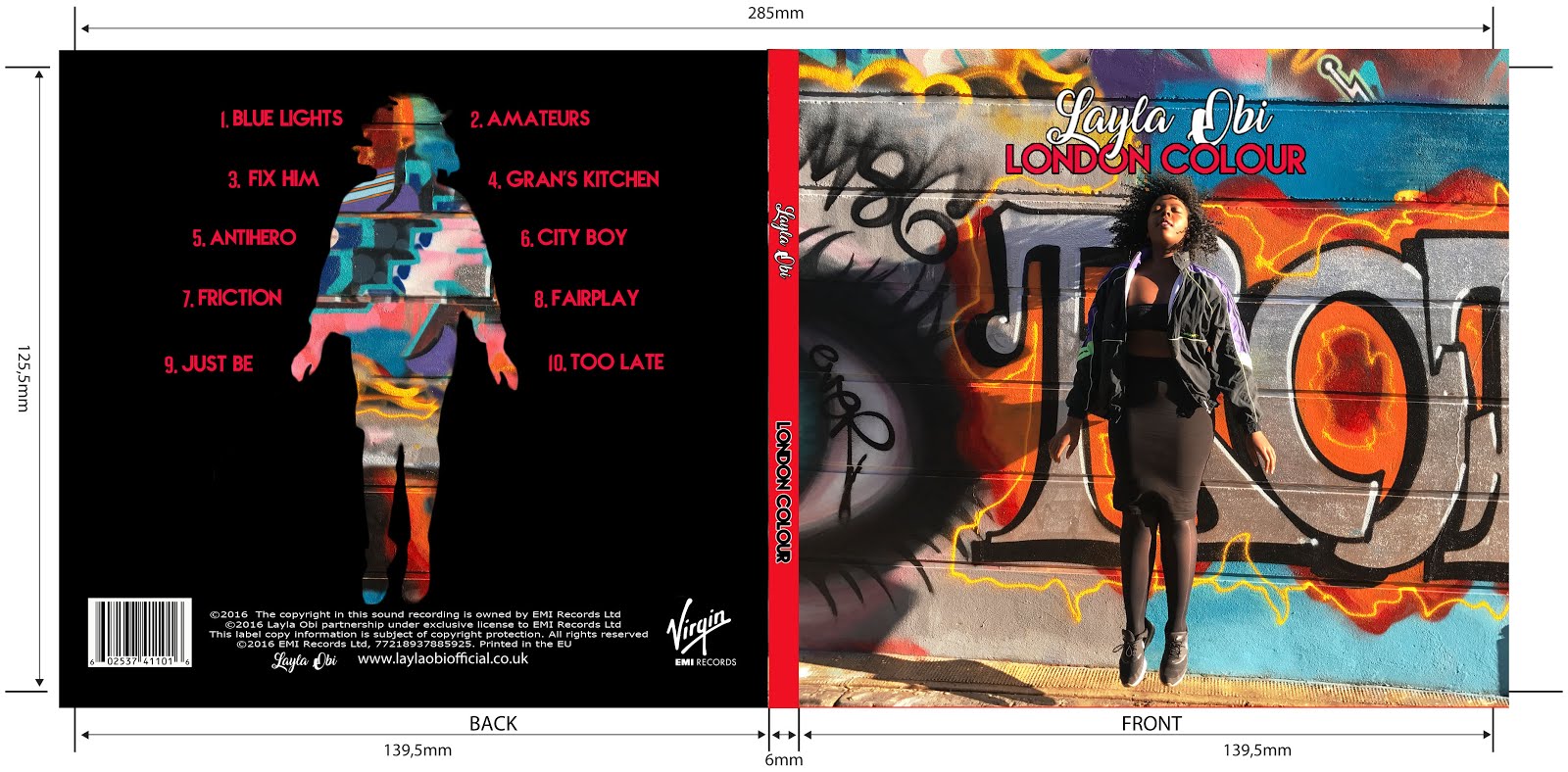
Left is the back of the album and to the right is the front
Below are the internal panels of our Digipak

Click on the image below to be directed to our website

Thursday, 4 February 2016
R+P Post 14: Our Call Sheet

R+P Post 13: Our Shoot-Board
We created shoot boards so that our day would be carefully and efficiently planned out. On our shoot board we included:
- A visual representation of the shot we wanted to take
- The shot number
- The location of the shot
- The time the shot would be taken
- The actors in the shot
- Any dialogue within the shot
- Who was in charge of the which element of the shot
- The amount of takes we took
We organised our shots by location as a way to save time during our shoot as it meant that we kept moving from different sets to a minimum. Other time saving methods put in place were deciding who was in charge of which element of each shot before the shoot as it ensured that all of our group was aware of what was going on. By assigning different shooting times to different locations we were able to manage our time very efficiently, tailoring breaks for our actors and crew. However, we underestimated how long some of our shots would take to produce , meaning that we fell behind schedule at certain points.
For our main and back-up shoot we refined our original shoot board, creating a more structured yet basic version. During out test shoot we identified shots we no longer liked and removed these from our shoot board. This meant that we were left with the shots that we were sure we wanted to include and were able to identify these shots with great ease. In the new version of our shoot boards we were able to take some of the extra columns out as we felt that they were no longer necessary.
 |
| A section of our original shootboard |
For our main and back-up shoot we refined our original shoot board, creating a more structured yet basic version. During out test shoot we identified shots we no longer liked and removed these from our shoot board. This meant that we were left with the shots that we were sure we wanted to include and were able to identify these shots with great ease. In the new version of our shoot boards we were able to take some of the extra columns out as we felt that they were no longer necessary.
 |
| A section of our final shootboard |
R+P Post 12: Our Animatic
To produce our animatic we took live photos of the pictures on our storyboard. We then put these pictures on a timeline on Adobe software pro. On this timeline we also added music, dialogue and titles so that we could roughly visualise what our sequence would look like. We also worked on the timings within our sequence and used the trial and error method to figure out which looked best.
Creating an animatic was very useful as we were able to see any issues within our sequence. For example, we were able to sort out timing issues with the placement of our voice over. By cutting it down in certain areas, we were able to ensure that the dialogue within the sequence matched the iconography of the shots.
R+P Post 11: Our Timeline and Storyboard

For our timeline we created three sections that consisted of a soundtrack, dialogue/voice over and visuals segment. By doing this we were able to clearly map out what we wanted to include within our sequence and at which point. This method meant that we were able to figure out the specifics of our sequence. For example, we were able to ensure that the visuals included at any point matched the dialogue by altering where/how long we included the dialogue for. Overall, this was an extremely useful exercise as it enabled us to manipulate our sequence for the better, for example, it made continuity issues easier to spot and remove.

To create our storyboard we put post sticky notes on a large piece of A3 sugar paper.
We used different coloured notes to represent different shot types. This made our ideas easier to see visually. Our key: Yellow=Mid shot Blue=Close-ups Orange=Long shots. Using post stick notes meant that we could easily swap our shots and shot order depending on what suited our sequence more. We could also asses whether we had enough variation in our shot types by looking at the distribution of different colours. By varying shot types we created a sequence that was more interesting visually and therefore more entertaining. When deciding which shot to use, we got inspiration from many film openings. For example, in the film 'Submarine', close ups are often used to evoke a character's emotion. We also decided to do this as it was a quick and effective way to accurately portray the mindset of our character.
Tuesday, 5 January 2016
R + P Post 10: Reflections so far/ looking ahead
So far I feel that my group has worked very well together and have used our time extremely effectively. We have been able to put our artistic differences aside in order to create a concept which has developed into a creative and intricate film opening idea. We spent a lot of time brainstorming ideas and creating documents such as storyboards together in a group, whilst also having individual contributions to the group. For example, I spent some of my time outside of group meetings continuing to write the script, whilst fellow members of my team created storyboards of titles and shots for inspiration. By doing activities such as this, our group has developed very strong references for or film. Research into similar LGBT films such as Beautiful Thing have informed us about film content and our target audience, whilst films such as Submarine have given us a great insight into the British indie genre. This research has helped us create a film that we feel accurately portrays the genres which we intended.
Looking ahead, I am extremely excited about starting to film our opening and being able to experiment with different shots. I am looking forward to watching all of our hard work come together and hopefully develop into our envisioned film opening.
R + P Post 9: Our script
Whilst I was writing the script I felt that it was important to quickly and accurately portray what type of person that Craig was. For this reason, I felt that it was fitting to have a large majority of the dialogue within the opening as a voice over. This meant the audience could instantly feel more connected to the character as he spoke directly to them, allowing an immediate insight into his mind. This idea was largely influenced by the movie 'Submarine' as I felt that the character of Oliver Tate was impeccably represented through his use of voice overs. An issue that I had whilst writing the script was trying to find a way to condense a character such as Craig into very few words so that the voice over did not distract from the visuals within the opening. This difficulty resulted in many re-drafts of the script with the help of my fellow group members.Below I have included the Treatment for the script.
Since creating this draft I have edited it further in order to create a new and improved final script which I have included below...
 |

R + P Post 8: Our opening sequence ideas, to include sound and titles
In our opening sequence our main character, Craig, gets ready to leave his house and go to school. However, he skips school and goes to the lake instead. Here he writes his most intimate thoughts and ideas in his notebook. Whilst doing this Craig witnesses another apparently gay character getting abused by bullies. Craig finally plucks up the courage to interject into the fight and defend the boy getting bullied, however, this results in a violent outburst in which he is punched.
For sound we have decided to use acoustic instrumental version of the song 'Let it go' by James Bay. We have decided to re-record this song using only a guitar. We felt that this would give a raw edge to our soundtrack and suit our chosen genre of Indie. As well as the soundtrack, there will also be a voice over that runs at points throughout the opening and a small amount of dialogue during the conflict scene.
For sound effects we have decided to use the 'white noise' and the sound of a punch. We wanted to use white noise to suggest the quiet rural setting and whilst also intensifying different moments. We wanted to use a punching sound as this would be expected in a scene of conflict and increases the naturalism of the sequence.
The titles within our opening sequence will include...
- Film 4 productions ident
- BFI logo
- QUAK Films Presents
- Our film title
- Introducing Reuben Wooley
- Directed by...
- CRAIG

 |
| A mood board made by Pheobe of different styles within exsisting opening titles |
R + P Post 7: Our film's title and plot outline
 |
| This is a picture of an aglet |
R + P Post 6: Our chosen genre and how we plan to connote this
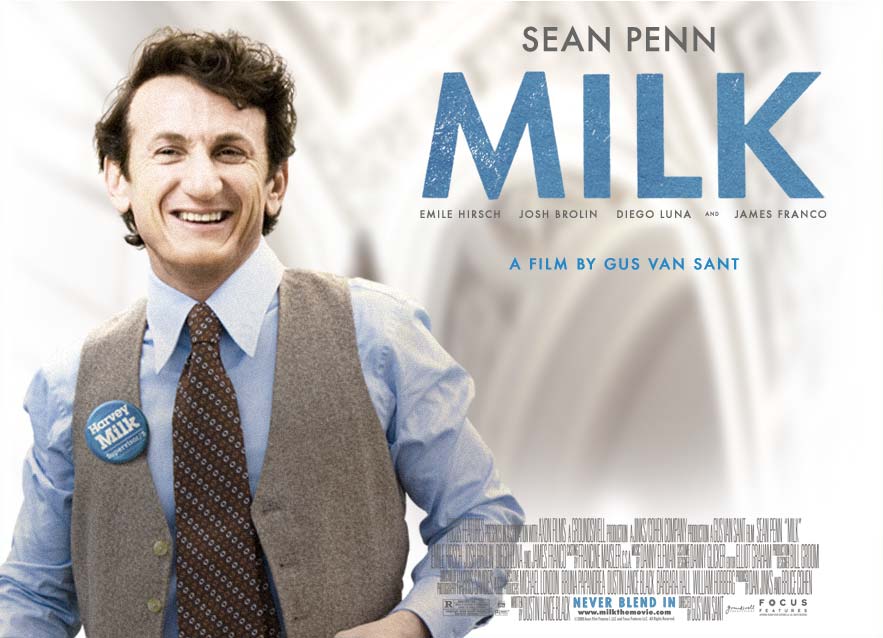
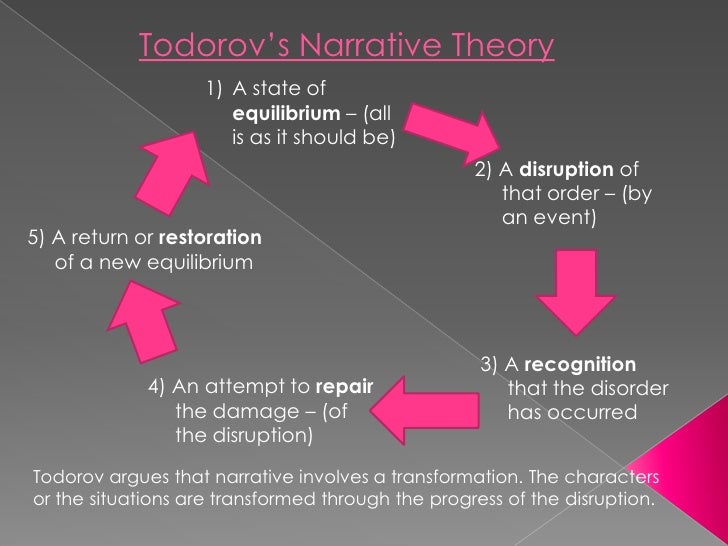 We will be trying to connote the Coming of age genre through Craig's journey. Character development is essential to connote this genre as they often follow their protagonist on a journey as they develop morally and psychologically. For example, in our film we watch Craig turn from a shy introvert, into a more confident and happy teenager. Coming of age films often use Todorov's theory and try to find a solution to the problem present within the film throughout.
 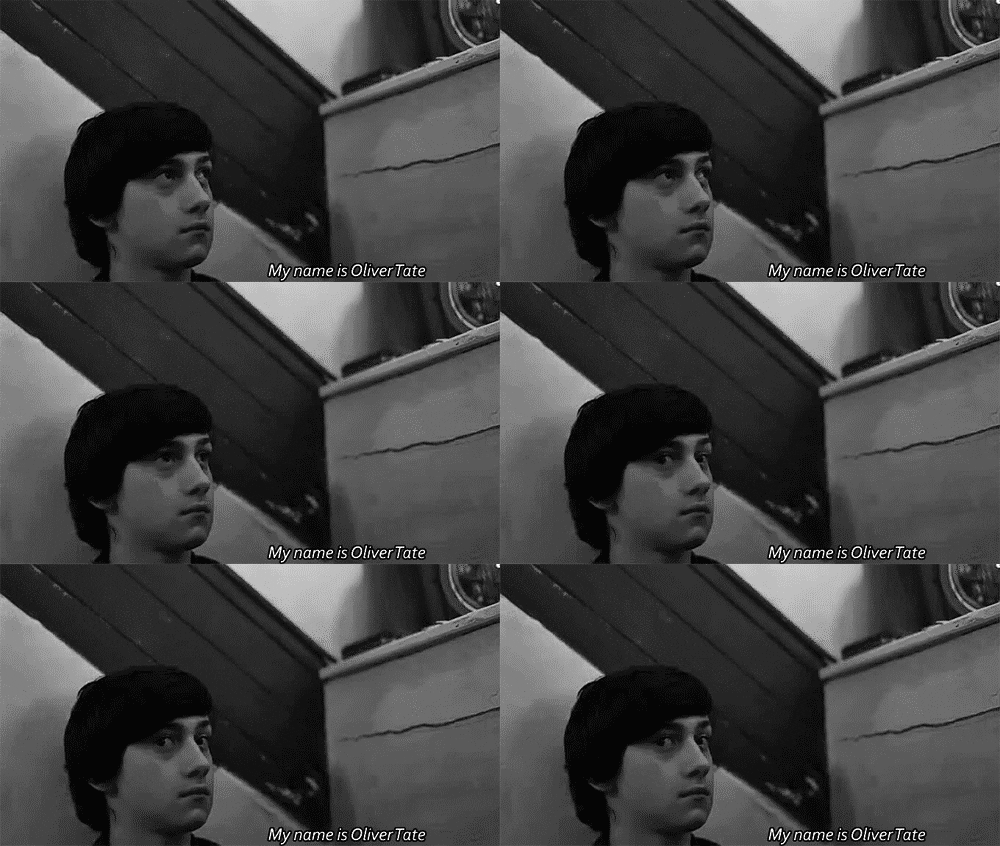 |
| Oliver Tate from Submarine |

Another genre that we will be attempting to connote through our film opening is the British Indie genre. We have done this through our decisions of characters, grading and shot types. We decided to make Craig a quirky individual in order to reflect some of the types of people that we believed enjoyed the British Indie genre. For Craig's character we were greatly inspired by the character of Oliver Tate from the film Submarine. Although he is very awkward he is also a very likable character and has many layers to his personality. We have also been able to experiment with different shot types that may be considered 'quirky' and are fitting to the more risk taking genre of Indie. For example, in our opening we have decided to use different cameras such as a GoPro to achieve different effects. We will also be using more experimental editing such as jump cuts. This also occurs in Submarine and we felt that this was effective as it was something that is rarely seen and stood out to us.We also wanted our grading to connote the Indie genre. In order to achieve this we took inspiration from different grading techniques that we liked and felt would be fitting to out film.
 |
| Bright and colorful grading in the film 'Fish Tank' |
 |
| Bright, saturated grading in the film 'Juno' |
R + P Post 5: How we plan to attract/ address our target audience
Our target audience is made up of:

How we plan to attract/ address members of our TA:

- Members of the LGBT community
- British people aged 15 and over
- Fans of the British Indie genre
- Fans of romantic dramas
- Fans of 'coming of age' films
How we plan to attract/ address members of our TA:
- LGBT community - We will attract them by having an openly gay protagonist. Doing this may appeal to the as they may find the character relatable as they may have gone or will go through the same situations as our main character Craig does. They may also feel that they are finally being accurately and realistically portrayed within the media which may appeal to them.
- British people (over 15)- We have addressed British people by using British actors and a British setting. The characters also speak of British themes. These factors maybe seen as highly recognisable to this audience which means that they may be able to engage with the film at a deeper level. They would also be supporting the British film industry which is beneficial for many British people. We have addressed the older age of our TA through our 15 certificate. By deciding on this certificate we allow ourselves the right to include more explicit content. This may vary from the use of swear words to the inclusion of scenes of violence. We feel that this gives our film a more realistic feel which may appeal to more people.
- British Indie fans - We attempted to stick to the conventions of this genre through our choice of shot types and grading decisions. We also depicted a character which may also be considered 'Indie' by his hobbies such as listening to vinyls, which fans of this genre may also enjoy. We my also be t attract them through our decisions in production and distribution. By choosing independent institutions such as Film 4, BFI and our created company Quak Films we instantly appeal more to British Indie fans as it becomes apparent that we are a low budget, British, Independent film.

Our chosen Independent production company - Fans of romantic dramas - As our film goes on, the relationship between Craig and David continues to blossom. The themes of love and heartache appeal greatly to this audience. The fact that the love story is between two males may be seen as something 'different' and appeal to a wider audience as it is a story that is rarely seen in the mainstream film industry.
- Fans of 'Coming of age' dramas - Throughout the film we follow Craig on a journey as he struggles to find his voice. The audience bears witness to the characters maturing and developing into a more confident and happy person.
 |
| One of our British countryside settings |

R + P Post 4: Representation of social groups in our opening sequence
 In our opening sequence we represent members of the LGBT community. The different sexualities represented mean that a large majority of our TA (target audience) may feel represented. We chose two represent two contrasting characters in order to avoid enforcing stereotypes. By avoiding the predictable 'camp' characterisation through our protagonist, we create a more believable character. This may also be seen as a U.S.P (unique selling point) for our film as it showcases a community and characters that are rarely explored in modern media. A love story between two males may also be seen as a U.S.P as their are not many representations of this type of story within the mainstream media.
 |
| Statistics revealing the lack of LGBT representation in film |
Being gay is not seen as downfall of our protagonist and does not have any particularly affect of his characteristics. This helps to break down the prejudice towards the gay community and shows the audience that the people within the LGBT community are the same as those out of it. They go through the same situations and must overcome similar obstacles in life. This is why we felt that it was important to include a moment of conflict within our film opening as we wanted the gratification of an idealistic presentation of the world to be apparent, without creating a world that could be deemed realistic. It also reveals the very apparent presence of homophobes within modern society. This harsh and somewhat disturbing realism forces the audience to be educated to the discrimination that many people within the LGBT community go through.
We felt that creating a 'coming of age' film would be an efficient way to depict the journey that many gay people go through for self acceptance. As the film continues we are able to see Craig develop his own self confidence as he embraces himself and his sexuality. We felt that it was important to portray him as a stereotypical teenager with hobbies such as listening to vinyls and sketching in his notebook so his is seen as a likable and multi dimensional character.
 |
| Shot of Craig writing in his notebook with an average representation of a cluttered teenage bedroom |
R + P Post 3: Our production and distribution institutions
Production:
 We created our own British, independent production company call Quak productions. Our company is based in London and focuses on producing independent films which represent members of the LGBT community.
Distibution:
 We decide to use Film 4 as our distribution company. We felt that this would be fitting as they are a British company that have previously distributed other indie films such as 'Suffragette' and 'The Inbetweeners'. We will also be receiving a grant from the BFI (British Film Institution). This funding aids the British film industry and has been known to be a 'stepping stone' for many other British independent films such as... As independent films rarely get releases of varying platforms, we will heavily rely on screenings of our film at film festivals such as the BFI festival, and eventually TV releases on channels such as Channel 4 in order to increase the success of our film.
Distibution:
R + P Post 2: Our target audience
Core audience:
 The core audience of our film will be members of the LGBT community. The LGBT community is one made up of lesbian, gay, bisexual and transgender people. We are able to appeal to this audience through our portrayal of a homosexual protagonist. This creates a more relatable character for the audience as they may have experienced similar situations. It also gives opportunity for a social group that has rarely been represented in the media. Other films such as 'Weekend' (2011) and 'My Beautiful Laundrette' (1985) have also had this core audience and explore similar themes of love and happiness, whilst also revealing the hardship that people within this community often go through.
Wider Market:
In our wider market we would hope to appeal to fans of the genres of drama, romance, coming-of-age and comedy. As our films takes different aspects from these many different genres, we hope this would make it appeal to more people. We would also hope to attract fans of the indie genre as this had a heavy influence in the decisions we made about our film. The film 'Submarine is an example of a film with a very similar target audience to the one that we want our film to appeal to. We also hope that our film would appeal to many British people due to our use of a British setting and British characters.
The core audience of our film will be members of the LGBT community. The LGBT community is one made up of lesbian, gay, bisexual and transgender people. We are able to appeal to this audience through our portrayal of a homosexual protagonist. This creates a more relatable character for the audience as they may have experienced similar situations. It also gives opportunity for a social group that has rarely been represented in the media. Other films such as 'Weekend' (2011) and 'My Beautiful Laundrette' (1985) have also had this core audience and explore similar themes of love and happiness, whilst also revealing the hardship that people within this community often go through.Wider Market:
In our wider market we would hope to appeal to fans of the genres of drama, romance, coming-of-age and comedy. As our films takes different aspects from these many different genres, we hope this would make it appeal to more people. We would also hope to attract fans of the indie genre as this had a heavy influence in the decisions we made about our film. The film 'Submarine is an example of a film with a very similar target audience to the one that we want our film to appeal to. We also hope that our film would appeal to many British people due to our use of a British setting and British characters.
R + P Post 1: How we intend to work as a group
In our first group meeting we decided to meet on Wednesdays and Fridays from 3:55-4:55 in the media department. We have agreed to arrive on time and complete the tasks required for the meetings in advance. We have also agreed to work as a team by listening to everyone's ideas and respecting people's artistic differences. We have also set up a Facebook page so that we can contact each other quickly and posts any ideas and pictures that we may have.
Sunday, 18 October 2015
AS Prelim
My video is called 'Chloe' and is 40 seconds long. In this video a teacher begins to vent to another teacher about her 'day from hell'. She is then seen bitching about one of her students, unaware that she is actually still in the room.
1) Who did you work with and how did you manage the task between you?

In my group I worked with Ella, Alex and Pheobe (pictured left to right). We managed this task by working together as a group to come up with ideas for the shoot. As a group, we decide the story that we wanted to tell and how we would convey this by carefully planning our shots. However, we also had individual responsibilities within the group. Ella was camera and creative director and was in charge of shaping the storyline of the video. Alex acted in the video and was also in charged of planning the room and organising any furniture/props within it. Pheobe also acted in the video and was in charge of drawing out our storyboard. I contributed by playing the main teacher in the video and was also in charged of writing the script. We were all involved int the editing process, and I was partnered with Ella for this activity.
2) How did you plan your sequence? What processes did you use? What theories did you try to take into account?
We planned our sequence by creating a storyboard of all the shots that we wanted and then began scripting it. We then drew a top down plan of our shoot room to check that the shots created would work in the space available. We also checked that our shots would work by walking through the shots around the space as a 'practice shoot' with members of the team checking whether the set up of the shots were successful. Once any amendments had been made, We then casted the characters within our video. After this, we created a props list for our shoot. Considering the time frame we had and the space that was available to us, we then created a shoot schedule so that our day was clearly planned out, preventing delays on the actual day.
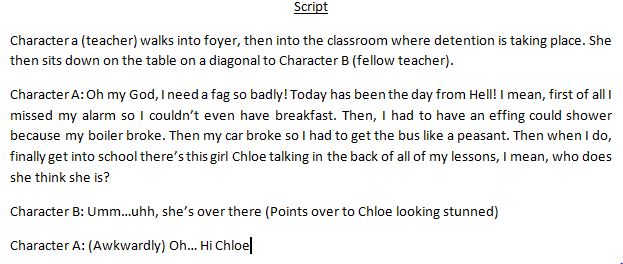 |
| Our script |
 |
| Our top down plan |
 |
| Our shoot schedule |
 |
| Our storyboard |
In our video we took the theories of continuity, framing, genre signifiers and representation into account. We attempted to create continuity through techniques such as not breaking the 180 degree rule, preventing an 'jumps' in the final edit of our video. We also included a master shot which increased continuity as it introduced the two main characters in the same geographical space. By using other techniques such as the shot/reverse/shot and eyeline matches, we are able to show the video from the perspective of one of the characters. This enhances the narrative elements of the video and makes it flow better, therefore improving the continuous elements of it. We also shot and edited the video as a 'real time sequence' so the events were more realistic and looked more continuous. We used a variety of shot types to get different framing types and make the video more interesting visually. We suggested our genre through our choice of characters. We decided to use a very 'over the top' character and a very shy and nerdy character as the main focus of the video. This contrast in characteristics left a lot of room for comedic potential. We were able to represent a lot of people through our choice of casting. By having very ethnically diverse characters we were able to create a large ethnic representation.
3) What technology did you use to complete the
task, and how did you use it?
Technology used
on the shoot:
- Canon HF G30 camera
- Tripod
- Headphones
- A shotgun microphone
How it was used:
We kept our camera on auto settings for ease of use in our shorts time available,We attached our camera to the tripod to prevent our shots from being
shaky. We ensured that our shots were level by making sure that the spirit
level on the tripod was well balanced. We created different shot types by using
the zoom functions on the camera. We were able to use the tripod handle to
create pans in our video. We also attached our shotgun microphone to the
camera. We used this microphone in order to minimise background noise such as
wind, whilst also ensuring that it would pick up all the dialogue in the area
surrounding it. We also ensured that the quality of our sound was good by
plugging headphones into the camera. This meant that we were able to listen to
what the microphone was recording and were able to direct people to speak up if
the microphone was not picking up their voice. It also meant that any unwanted
sound was picked up and resulted in us stopping filming until the sound had
stopped. We also used a clapper board at the beginning of each shot so that it
would be easier to identify the shots at a later stage. A safety precaution we
had to take was ensuring that the wire of the headphones were in sight as they
created a trip hazard.
 |
| A picture of me shooting |
Technology used to edit:
- Dual monitor editing station
- Adobe Premiere Pro CS5
How it was used:
The first decisions that Ella, my partner, and I had to make was which take of the shots taken that we wanted to use. Once we had reviewed them all and picked the once we wanted we then began to edit them. We altered the lengths of our shots by using the in and out functions on the software. We then dragged the cut down clips on to timeline for more close cut editing. As our monitor stations had 2 screens, we were able to look at the shots that we were inputting on the left screen, whilst having a preview of all the edited shots one the right. This was useful as we were able to watch the footage that we had created and find errors which we would then fix on the left monitor.
4) What factors did you have to take into account when planning, shooting and editing?
Planning
We knew that we had a very strict amount of time and space to shoot in. This affected the shots that we chose to include as they have to fit within these limitations. We also had to think about how we would set up the camera around the room without breaking the 180 degree rule which also affected the composition of our shots. We also had to spread out the work load across the team members which was difficult considering we had such a small group. This small number of people also affected who was available to act within our video.
Shooting
During the shoot we had to take the constraints of space and time into account again. As we were sharing some of our shooting space with another group, we also had to take their shooting time into account. Objects such as furniture and walls also had to be taken into account as they affected how we set up our camera and therefore affected the overall composition of the shot. As we were filming in a busy building we also had to take factors such as background noise e.g the school bell into account.
Editing
When editing we had to many different continuity editing techniques into account. Techniques such as shot/reverse/shot affected our choice of shots and the way that they were edited as it requires different shots from different angles to be edited continuously in a sequence. Match on action shots are another feature of continuity that we incorporated. If affected the lengths of our shots as we attempted to get them to match perfectly.
5) How successful was your sequence? Please identify what worked well, and with hindsight, what would you improve/do differently?
I think that my sequence was very successful as it met the requirements of the brief. An example of something that I think went well is the match on action shot that Ella and I achieved from shot 1 and 2. We were able to successfully match the action of the door being opened in these two shots, thus increasing the continuity of the sequence. I also think that we created a good sense of narrative within this sequence. We were able to do this through using techniques such as shot/reverse/shot and eyeline match to show the conversation from different perspectives. We also successfully stuck to the 180 degree rule and included a master. These are both techniques that helped enhance the continuity of our sequence and make it more successful. However there are some slight continuity errors in our sequence. For example, In the 4th shot my character is holding a book but in the next shot she is not. This goes against the theory of continuity and disrupts the sequence's flow. Another error can be seen between the penultimate and ultimate shot (shot 9 and 10). In shot 9 (Chloe's reaction shot) she turns her head to the left. However, in the final shot she is seen face the right. This also disrupts the continuity in this section of the sequence and results in it not flowing as smoothly. In hindsight I would have used better planning and shooting techniques to avoid these errors. By keeping an eye on the iconography of the shot I could prevent missing props. Doing this in combination of ensuring that the positioning of people within the shots stayed exactly the same as the previous shot would create a more successful sequence.
6) What have you learnt from completing this task? Looking ahead, how will this learning be significant when completing the rest of your foundation coursework, do you think?
The top 3 things I've learnt from doing this project are...
 |
| A picture of me editing with my partner |
4) What factors did you have to take into account when planning, shooting and editing?
Planning
We knew that we had a very strict amount of time and space to shoot in. This affected the shots that we chose to include as they have to fit within these limitations. We also had to think about how we would set up the camera around the room without breaking the 180 degree rule which also affected the composition of our shots. We also had to spread out the work load across the team members which was difficult considering we had such a small group. This small number of people also affected who was available to act within our video.
Shooting
 |
| The classroom we filmed in |
Editing
When editing we had to many different continuity editing techniques into account. Techniques such as shot/reverse/shot affected our choice of shots and the way that they were edited as it requires different shots from different angles to be edited continuously in a sequence. Match on action shots are another feature of continuity that we incorporated. If affected the lengths of our shots as we attempted to get them to match perfectly.
5) How successful was your sequence? Please identify what worked well, and with hindsight, what would you improve/do differently?
I think that my sequence was very successful as it met the requirements of the brief. An example of something that I think went well is the match on action shot that Ella and I achieved from shot 1 and 2. We were able to successfully match the action of the door being opened in these two shots, thus increasing the continuity of the sequence. I also think that we created a good sense of narrative within this sequence. We were able to do this through using techniques such as shot/reverse/shot and eyeline match to show the conversation from different perspectives. We also successfully stuck to the 180 degree rule and included a master. These are both techniques that helped enhance the continuity of our sequence and make it more successful. However there are some slight continuity errors in our sequence. For example, In the 4th shot my character is holding a book but in the next shot she is not. This goes against the theory of continuity and disrupts the sequence's flow. Another error can be seen between the penultimate and ultimate shot (shot 9 and 10). In shot 9 (Chloe's reaction shot) she turns her head to the left. However, in the final shot she is seen face the right. This also disrupts the continuity in this section of the sequence and results in it not flowing as smoothly. In hindsight I would have used better planning and shooting techniques to avoid these errors. By keeping an eye on the iconography of the shot I could prevent missing props. Doing this in combination of ensuring that the positioning of people within the shots stayed exactly the same as the previous shot would create a more successful sequence.
6) What have you learnt from completing this task? Looking ahead, how will this learning be significant when completing the rest of your foundation coursework, do you think?
The top 3 things I've learnt from doing this project are...
- The importance of checking that the shots being used work by walking them through. This helped a lot on the shoot as we knew that the shots the we wanted were possible. It also helped to save time as everyone was aware of how the shots should be set up.
- The importance of shooting more takes than required of a shot. This means that there is a wider variety of shots available to pick from when editing. Even the slightest differences between shots can improve the overall continuity of a sequence.
- The importance of including the same iconography between continuous shots. By keeping actors and props the same the sequence is able to flow more smoothly.
All of the lessons that I have learnt will help me in my future projects. I will now be able to apply the good points of this project to my future project and use my experiences to prevent the downfalls of this project happening in the future.
Friday, 9 October 2015
Continuity Task 2 (BLK)
The first shot of this clip is an establishing shot in order to suggest the setting that the two characters are in, however, this first shot also serves as a master shot. In this shot Jesse (character A) is see shouting out for Beca (character B). This creates continuity through the use of diegetic sound effects that would be expected in the setting of a party and the diegetic sound f character A shouting.
In the next shot we are able to see a cutaway reaction shot from character B. This suggests continuity as the audience would expect the character to react to her name if it was called. In the next shot we are then able to see a match on action sot as character A is shown continuously climbing us stairs towards character B. This creates continuity as it suggests that character A was still moving whilst character B was reacting to his present, therefore creating a more naturalistic shot. In the third shot we are able t see that character A is still climbing, however, he is now higher than before, suggesting that his and character A's movement were both happening simultaneously.
Its apparent that shots 1 and 3 may have been taken in one take and then later had shot 2 edited into it. This was to make it appear as if all the action was happening in the same time frame. It also made it much easier to achieve the match on action shot as it mean that any unwanted footage could simply be edited out and other shots such as the cutaway shot in shot 2 could be edited in.
In the next shot we are able to see a slight eye line match shot as character B is on a slightly higher level of ground that character A. This makes their dialogue more natural as we are able to see the actions a the same perspective as them. We then see a shot-reverse-shot between the two characters which places the audience in the action, whilst also helping to maintain continuity. In shot 9 we then see another eyeline match shot, however this time it is from a different angle. The shot adheres to the 30° rule in order to prevent 'jumps' between the shots. This also helps to improve the narrative f the scene as we are able to see both characters A and B in this two shot, showing them in the same geographical space as each other. For the last shot we are then able to see a focus pull so that we are ale to see the reaction of Aubrey (character C). This also promotes continuity as it suggests that the action occurring between characters A and B is happening at the same time and within the same geographical space as character C.
Wednesday, 7 October 2015
Evaluation of AOTT Activity (DYM)

Our film shows a mentally disturbed little girl during her time
in a mental asylum. Eventually she becomes uncontrollable and begins to murder
people that are there. In the opening of my film we are introduced to the main
character and are able to see key locations for the movie. In the opening we see that the girl has already
trapped and tallied off one of her victims whilst also preparing for her next
victim.
In the film opening we have included vital information such as the main character of the story and the setting of the movie. We also included the names of the main actors within the title sequence. It was also very important that we included the title of our movie for factual purposes.
The titles link to the film as they reflect the genre of the
film. One way that we were able to do this was through our choice of font. By
using this font we were able to connote and suggest horror, whilst also
sticking to the theme of black on white as we tried to recreate the effect of chalk
on walls.
By the end of my film opening I would expect the audience to
be very disturbed by the main character. I would also expect my audience to be
very intrigued and invested by my film opening’s story as it is purposefully ambiguous.
We achieved this through the use of a variety of CU shots so that the audience is
not able to see everything going on in the story at the time, so are forced to
make their own assumptions. However, their ideas are not fully fulfilled or
dismissed until further within the movie, creating an air of mystery that if
able to intensify the suspense and horror of the film. The fear of the unknown is made very apparent
as the audience should question the origin and motive of the little girl.
Three important conventions that are included in my film
opening and are vital to the construction of an opening sequence would be:
- · The main characters of the film are introduced. This is very important as the audience has to get a feel for what kind of people the main characters are so that they may predict what they may be like later on in the movie.
- · The genre of the film is suggested. This may be done through the use of genre signifiers. For example, in my film opening the use of blood helps to quickly suggest the genre of horror.
- · The title of the film is included. Although this is mainly for factual purposes, the title also acts as anchorage for the rest of the film opening and may be used for dramatic effect depending on its placement.
I think that my film opening was effective as an opening as I
was able to successfully portray the genres of a horror/ thriller through my
choice of narrative and shooting style. I
also think it was successful due to the fact that we included the typical
conventions of a film opening. This was particularly important as we had to
fulfil the audience’s expectations of finding out information about the film,
without revealing too much about the narrative of it. However, I do think that
our opening was slightly too ambiguous in terms of setting. If I were to do
this task again I would ensure that I added a wide establishing shot of all of
the setting so that the audience are aware of the geographical space that all
of the action within the film is occurring in.
Friday, 2 October 2015
Art Of The Title Research DYM


I chose to compare the opening title sequences for the films Gone Girl and Saturday night fever. Both films contrast greatly in genre, which is reflected in the manner that their title sequences have been made.
Although both films are very different, their opening titles stick to the conventions that any audience would expect. For example, both films set the setting of the films through a selection of establishing shots. Both title sequences also introduce the main characters and of course, reveal the title of the film. These details are required by the audience so that they may get a feel for what the rest of the film could be like and so that they may begin to understand key information that is vital for the plot.
As the film 'Gone Girl' is a drama and thriller, it uses a cold and slightly blue colour scheme in order to create a somber atmosphere. However, in the film 'Saturday Night Fever' there is a large amount of colour used within the opening sequence as it is an uplifting musical drama. The use of music also helped to within these sequences to portray the genre of the films. For example, In 'Gone Girl' very eerie music plays throughout the sequence which would be expected in a thriller mystery. In 'Saturday Night Fever', very upbeat music plays to connote the happy and lively nature of the film.
In 'Gone Girl' we are immediately introduced to one of the main characters. We are able conclude this with the help of the voice over. The voice over is spoken in 1st person so we are then able to understand that we as an audience are seeing things in the perspective of another main character. However, it is not until the last few frames that we are actually able to see this character, highlighting the mysterious nature of the film. This contrasts to the presentation of characters in 'Saturday Night Fever'. In this title sequence we are not introduced the main character immediately as the setting of the movie is established through some establishing shots first. We then follow the main character as he walks through a busy city. Here, we are able to see how he interacts with other people and can make assumptions about his characteristics.
Film Opening Analysis DYM
I chose to analyse the opening sequence of the film Back To The Future which is a Sci-Fi, comedy. The opening sequence takes place in a garage/ bedroom over the course of a morning. Initially in the sequence the audience is only able to hear and see the ticking of many clocks as the camera does a slow pan across the room. This is in keeping with the theme of time changing, suggested by the title 'Back To The Future'. During the pan we then see a framed article saying that a 'Bankrupt Inventor' called Brown has had to sell his land. This reveals to the audience that the current space they are exploring may belong to 'Brown' as the large amount of clocks may be something that would be associated with an inventor. We then see the very dirty and cluttered room of this person which may suggest their cluttered mindset as they struggle to pull their life back together. We also hear a radio advertisement for a new car which is vital for later on in the movie when they buy a car and turn it into a time machine, although this isn't made apparent to the audience within this opening sequence. A whole array of faulty inventions are then shown in another pan. The TV then switches on so that the report on missing plutonium can be heard. Actions from the faulty inventions such as the toast in the toaster burning and the coffee maker not having a jar to pour the hot water in to reveal that the inventor may be a careless character. This also creates more comedic potential for the rest of the movie. A second character is then introduced when he enters the garage, appearing to use a hidden spare key. At first we are only able to see this character's feet which raises suspicion as the audience are know show his identity. However, we can tell it is a teenage boy by his scruffy trainers and his relatively low voice. The boy then puts his skateboard down which eventually rolls over to a box marked 'Plutonium, handle with care.' By this point the audience are able to release that this plutonium is the same plutonium that was reported missing in the recent news broadcast. This raises an air of mystery about why and what Brown would need plutonium for. This information is deliberately withheld so that this sense of the unknown may continue further into the movie, highlighting the element of surprise. Finally, the teenage boy is seen switching different elements of electricity on, emphasising the chance of danger. The boy then plugs a guitar into what appears to be a very powerful electricity source and is blow across the room on to a coach. This reveals the adventurous nature of the character and foreshadows the It is vital that all these events are linked as all the inventions used to create the moments are intertwined. As the events occur in this order the audience are also able to take in information about the character gradually and are able to make their own assumptions. As with any opening title sequence, the audience would expect to know the title of the film, the genre of the film, the setting of the film and the main characters as these are conventions that they would expect. By knowing these conventions they may be able to conclude aspects of the film which will then be challenged or confirmed later on.
Tuesday, 29 September 2015
Continuity Task 1 (BLK)
In my video Characters A and B are in a classroom whilst
character C enters the classroom from the hallway. Once character C is in the
classroom, he loses his balance and falls flat on his face. After character C
composes himself, character A is seen in a shocked state.
We attempted to create a 'narrative flow' by first having a
two shot of characters A and B in a classroom as an establishing shot. We then
attempted to create a cross cutting shot in shot two when character C is outside
of the classroom in the hall way leading up to it. This is so that the audience
could tell that the two pieces of action were happening simultaneously and will
eventually combine. In shot 3 we then crossed back to inside
the classroom with both character A and the classroom door visible. This use of
a master shot was to show the geographic space and show the characters interacting
in the same place. We attempted to have a match on action shot in shot 3 to
increase continuity by having footage of character c walking towards the
classroom door so that the cut from the previous shot was not too harsh. In
shot 4, when character C eventually falls over, we decided to pan across this
room to follow this action as we felt it was more fluid. At the end of shot 4
character C has fallen over and has his books scattered around him. Although we
changed the angle and framing of the next shot, we attempted to keep good
continuity by trying to keep character C as still as possible so that he
appeared in the same position in the next shot. In the final shot we had a
reaction shot of character A as we felt that it made the scene more
naturalistic as people would expect a reaction if there were other people in
the room.
We were unable to achieve full continuity as it is very
difficult to achieve this without editing any of the footage taken. Although we
attempted to be as precise as possible, delays in starting or stopping the
filming of shots resulted in a video that was not perfectly continuous. Despite this, I do think that our video had a good narrative flow as it flowed well enough for the audience to be able to understand the clip. In hindsight,
I would change the length that some shots were shot at in order to improve the
narrative flow and tell the story more effectively. For example, I would cut
down the first shot by a large amount (roughly 6 seconds) as it is only an
establishing shot and is able to meet its purpose of setting the scene in very
little time. In shot 2 I would start character C off frame so that when he begins
walking there is no long pause. This would help the scene seem more naturalistic.
In the 3rd shot I would cut some of the footage at the beginning so that
character C starts the scene already close to the classroom door in order to
achieve a much more precise match on action shot. Character A would also react
to character c entering the room by looking up at him in order to increase the
naturalistic aspects of the scene. I would also reconsider the framing of shot
4 as although the Low Angle shot provides diversity in shot types; it makes a
very apparent jump in the positioning of the camera which hinders the narrative
flow. In shot 4 I would also include a trip hazard for character C to fall over
so that his accident looked more realistic. Although we tried to prevent this,
there is an apparent jump cut between shots 4 and 5 as character c appears to
move positions slightly after he falls. If I could do this task again I would
ensure that the actor stayed perfectly still in order to prevent this jump cut.
Another change that I would make would be to swap around shots 5 and 6 in order
to prevent the delay in reaction from character A. This would make for a more
believable scenario and would increase the narrative flow of the video.
Subscribe to:
Comments (Atom)